


$549,999
Active
4
Beds
3
Baths
1792
Sqft
13.91
Acres
2306 County Road 4145, Bonham, TX 75418
MLS#: 21062525



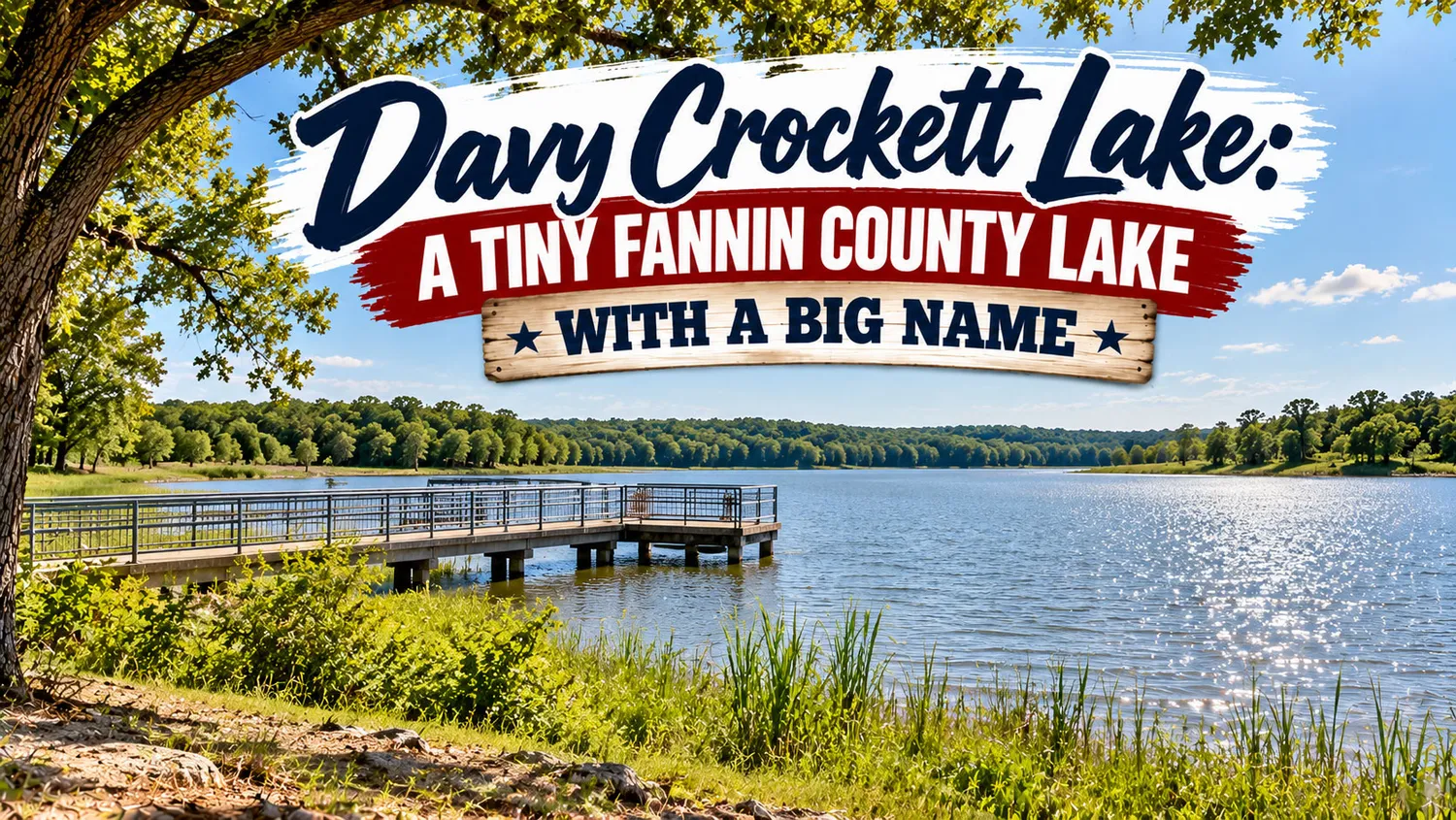
Davy Crockett Lake is a small, 355-acre reservoir tucked into the Caddo National Grassland in Fannin County, Texas, about 14 miles northeast of Bonham off FM 409. Also known locally as Lake Crockett, it was built in 1935 as a federal conservation project and today is managed by the U.S. Forest Service primarily for fishing, camping, and quiet outdoor recreation — not as a source of drinking water.
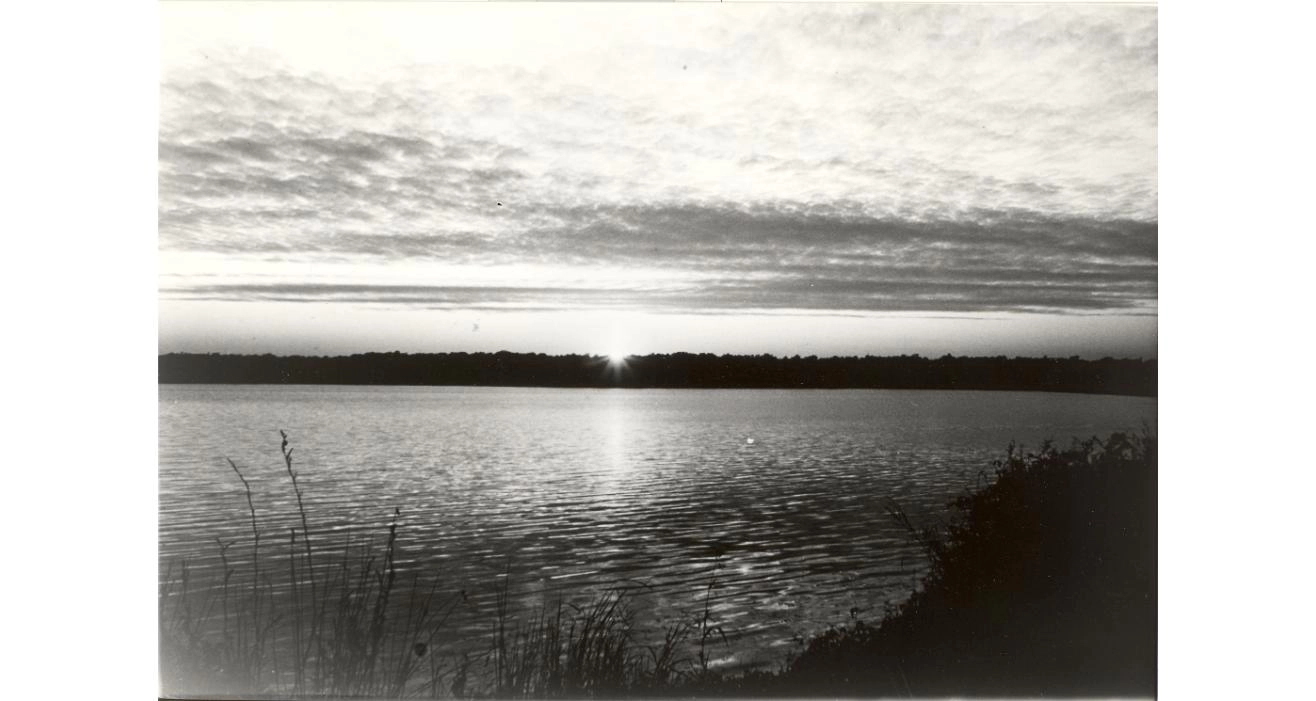
Sunset on Lake Davy Crockett. Historic photo: U.S. Forest Service, via SFA ScholarWorks NFGT Historic Image Gallery, CC BY-ND 4.0
Davy Crockett Lake sits in the rolling post oak savannah and grassland of far northeastern Fannin County, near the Texas–Oklahoma line and not far from the shores of Lake Texoma. The lake was formed by damming Dixon and Sandy Creeks within the Caddo National Grassland, a 17,873-acre unit of the National Forests and Grasslands in Texas administered by the U.S. Forest Service. The lake has two distinct arms, known locally as Crockett East and Crockett West, giving it more shoreline variety than its modest size suggests.
Because it sits inside a National Grassland rather than a town or city, Davy Crockett Lake has a genuinely rural, low-key feel. There is no lakefront subdivision, no marina district, and no commercial strip nearby — just grassland, timber draws, and a couple of small Forest Service recreation areas along the water.
Davy Crockett Lake dates back to 1935, when it was developed under the National Industrial Recovery Act as part of a broader federal effort to restore worn-out farmland in this part of North Texas to grassland and forest. That same program created the Caddo and neighboring LBJ National Grasslands, and the lake has remained a signature water feature of the Caddo unit ever since.
By reservoir standards, Davy Crockett Lake is genuinely small. Most references put it at roughly 355 acres, while U.S. Forest Service materials on the Caddo National Grassland cite a slightly larger 388 acres — a reminder that figures for small public lakes can vary by source. Either way, it is a fraction of Lake Texoma's tens of thousands of acres.
Davy Crockett Lake's purpose has always been recreation and conservation rather than municipal water supply. It is not a city reservoir feeding a public water system; it exists as part of the Caddo National Grassland's mission to demonstrate sound land and water management while giving the public a place to fish, camp, and enjoy the outdoors. That makes it a genuinely different kind of lake than the drinking-water reservoirs many North Texas towns rely on.
Fishing is the main draw. The lake is stocked with largemouth bass, channel catfish, crappie, and bluegill, and the Forest Service maintains developed recreation areas along the shoreline for bank fishing, small-boat access, and picnicking. It is a popular, low-traffic spot for anglers who want a quiet morning on the water without the boat traffic of a larger lake.

Fannin County prairie. Photo: Carol M. Highsmith, Library of Congress (public domain)
Beyond fishing, published information about the lake is limited — there is no boat ramp network, marina, or resort infrastructure, and it does not appear to host organized events. Most visitors come for hiking, birdwatching, or camping at nearby Forest Service sites rather than a full day of lake recreation. It helps to think of Davy Crockett Lake less as a destination lake and more as a scenic backcountry pond within easy reach of Fannin County's small towns.
Davy Crockett Lake is a good example of what makes Fannin County, TX appealing to buyers who want space, quiet, and access to the outdoors without giving up a reasonable commute into the Dallas–Fort Worth area. The county is dotted with small reservoirs, creeks, and grassland like the Caddo National Grassland, alongside larger draws like Lake Texoma along its northern edge. That mix gives residents a choice: settle near the region's biggest lake for boating and waterfront living, or choose a quieter, more rural setting near smaller waters like Davy Crockett Lake and still be a short drive from Texoma, Bonham, or the shops and schools of the county seat.
For many of our buyers, that variety is the appeal. You can find acreage properties, small ranches, and country homes priced well below comparable Dallas-area real estate, with land, privacy, and access to public grassland and water that is increasingly hard to find closer to the metroplex — all while keeping Lake Texoma's marinas, restaurants, and waterfront communities within a short drive.
The contrast between Davy Crockett Lake and Lake Texoma tells you a lot about the range of lake life available in this corner of Texas. Lake Texoma is a massive, multi-purpose reservoir on the Red River with roughly 89,000 surface acres, hundreds of miles of shoreline, multiple marinas, striped bass fishing, and a well-developed lakefront real estate market spanning both Texas and Oklahoma — we cover many of its lesser-known details in 12 Things You Didn't Know About Lake Texoma. Davy Crockett Lake, by comparison, is a modest 355-to-390-acre grassland lake with two fishing arms, minimal development, and no municipal role at all.
Neither type of lake is inherently better — they simply serve different purposes. Lake Texoma is where you go for boating, striper fishing, and waterfront living. Davy Crockett Lake is where you go to fish quietly from the bank, watch birds along the grassland, or camp for a weekend without another boat in sight. Fannin County is one of the few places in North Texas where both experiences sit within a short drive of each other.
If you are exploring property in Fannin County and want a home base near Lake Texoma's waterfront lifestyle while still being close to quieter public lakes and grassland like Davy Crockett Lake, Brian and Jonelle Allen would love to help you find the right fit. Reach out today to talk through neighborhoods, acreage options, and current listings across Fannin County and the greater Lake Texoma area.


Davy Crockett Lake is in far northeastern Fannin County, Texas, about 14 miles northeast of Bonham off FM 409, within the Caddo National Grassland managed by the U.S. Forest Service.
It is a small reservoir, generally cited at around 355 acres, though U.S. Forest Service materials on the Caddo National Grassland describe it as closer to 388 acres. Either figure makes it a small lake compared to Lake Texoma's roughly 89,000 acres.
No. Davy Crockett Lake was built in 1935 under the National Industrial Recovery Act primarily for conservation and recreation, and it functions today as a fishing and outdoor recreation lake within the Caddo National Grassland rather than a municipal water supply.
Yes. The lake is stocked with largemouth bass, channel catfish, crappie, and bluegill, and it has developed U.S. Forest Service recreation areas for bank fishing and small-boat access along its two arms, known as Crockett East and Crockett West.
Not a great deal. Because it is a small, lightly developed grassland lake rather than a major reservoir, published details are limited mainly to its size, 1935 origins, and use for fishing and camping. There is no marina, resort, or major event infrastructure associated with the lake.
Guides & Resources
For Buyers
Buying a Home in TexomaFirst-Time Home Buyer ProgramsNative American Homebuyer ProgramsThe Closing ProcessNew Construction GuideBuying Land & AcreageLenders & Local Pros