





✅ SOLD · SEPTEMBER 12, 2025
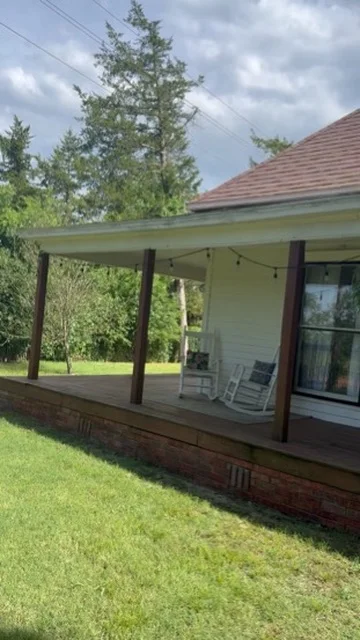
On September 12, 2025 we closed on 856 N 4243 Road in Hugo, Oklahoma, a 105-acre property with a century-old farmhouse that was once home to the Bill Grant Bluegrass Festival. The house still sits on massive bois d'arc log foundation timbers, and the land's original Choctaw and Chickasaw Nations allotment patent hangs by the front door. It sold for $645,000 and we represented the buyer.
$645,000
Sold price
$699,900
List price
92.2%
Of list price
99 days
To contract
3 / 3
Beds / baths
2,041
Square feet
104.9 acres
Lot size
$6,149
Per acre
1915
Year built
Buyer
We represented
| Date | Event | Price |
|---|---|---|
| Apr 15, 2025 | Listed | $699,900 |
| Jul 23, 2025 | Under contract | — |
| Sep 12, 2025 | Closed | $645,000 |
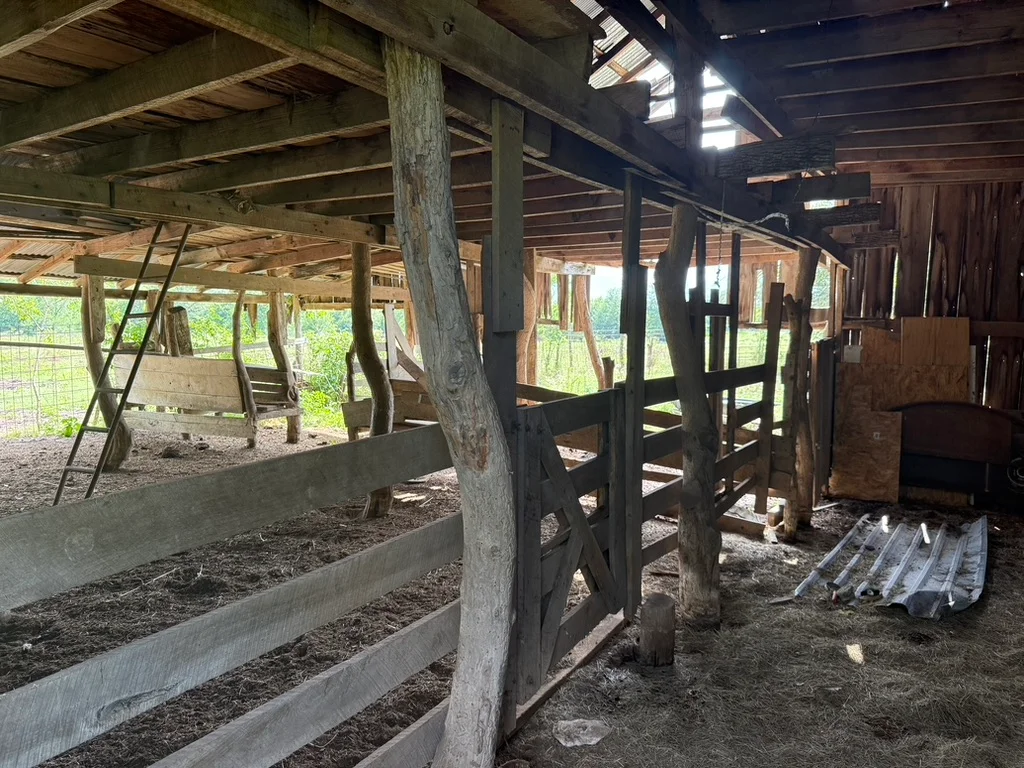
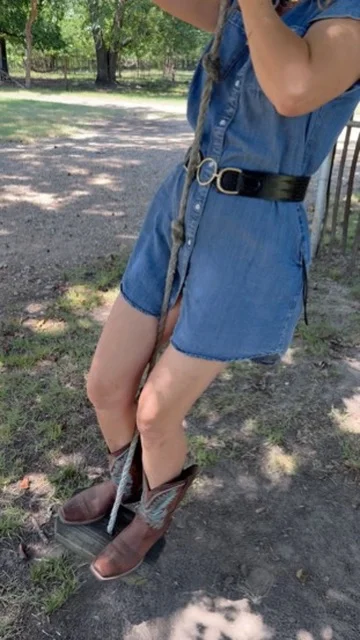
A few quick clips from the farm: the rope swing under the shade trees and a walk around that wraparound porch.
See more Texoma homes, land and sold stories on our YouTube channel.
This Choctaw County property combines open pasture, water and a long local history, just minutes from Hugo.
Our favorite part of this farm isn't something you see on a showing. It's under the house. Get down and look in the crawl space and you'll find this 1915 farmhouse resting on huge horizontal bois d'arc logs, laid in as the main foundation timbers more than 100 years ago and still carrying the house today.
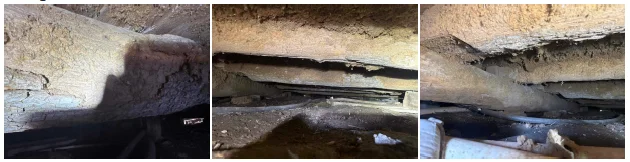
The bois d'arc logs under the house, photographed from the crawl space.
If you didn't grow up around here, bois d'arc (say it "BO-dark") is the Osage orange, the tree that drops those big, bumpy green "horse apples" every fall. French settlers named it "wood of the bow" because Native peoples prized it for bow making. Along the Red River, early settlers used it for fence posts, corner posts, piers and foundation sills because it is one of the hardest, most rot-resistant woods in North America. Termites and ground moisture have a tough time with it, which is why you still find 100-year-old bois d'arc posts holding up fences all over Texoma. (It's the same tree Bois d'Arc Creek and Bois d'Arc Lake in Fannin County are named for.)
Builders back then used what grew on the land, and they picked the toughest wood they had for the part of the house that touches the ground. Seeing those logs is a reminder of how these old farmhouses were built to last.
Buying an older farmhouse? A century-old pier-and-beam or log foundation can be in great shape, but have a licensed inspector (and a foundation contractor if anything looks off) check for settling, moisture and the condition of the supports before you close.
Hanging by the front door is something you don't see every day: the land's original allotment patent, headed "The Choctaw and Chickasaw Nations, Indian Territory."
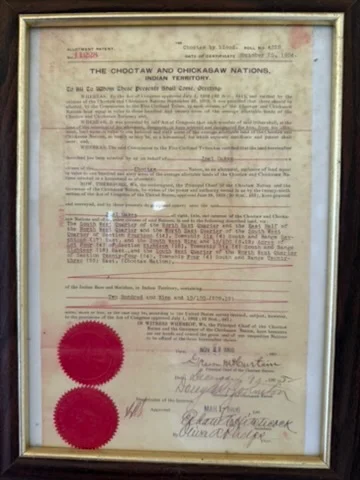
For our buyers, owning the house where that patent still hangs means owning a piece of Oklahoma's story from before it was even a state.


Photos: Anitra Babcock, Babcock Real Estate, via MLS Technology, Inc. #2514609
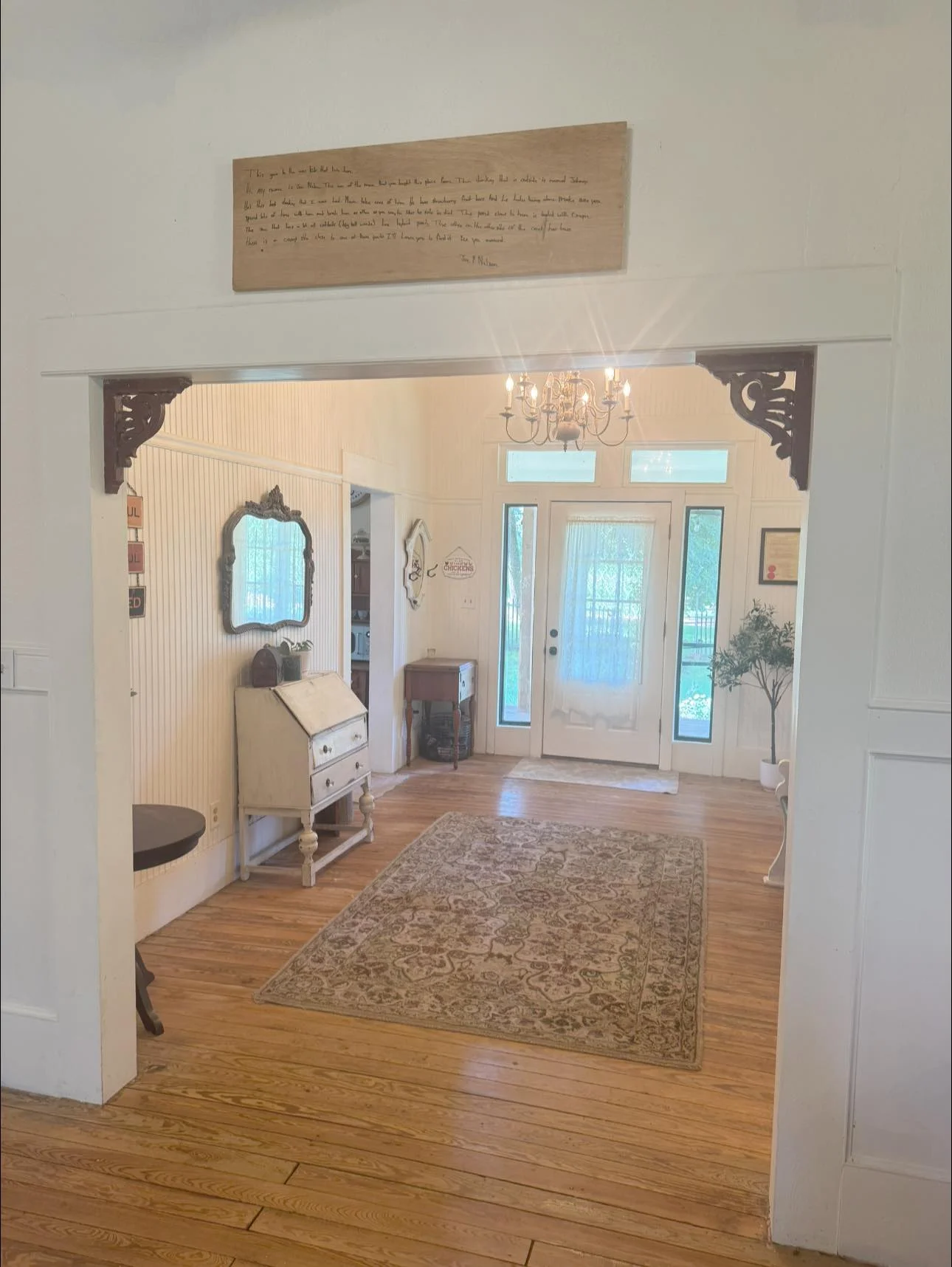
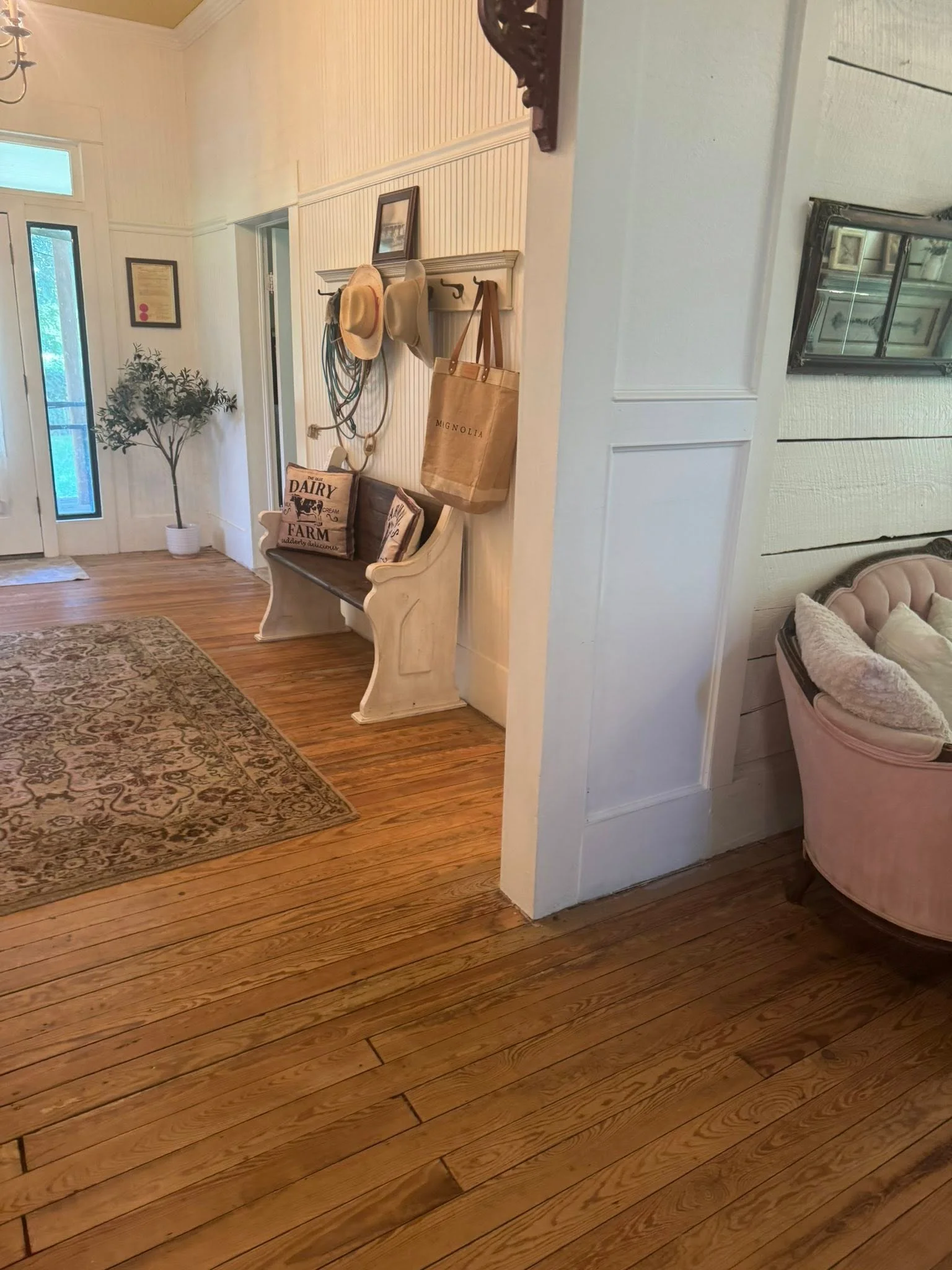
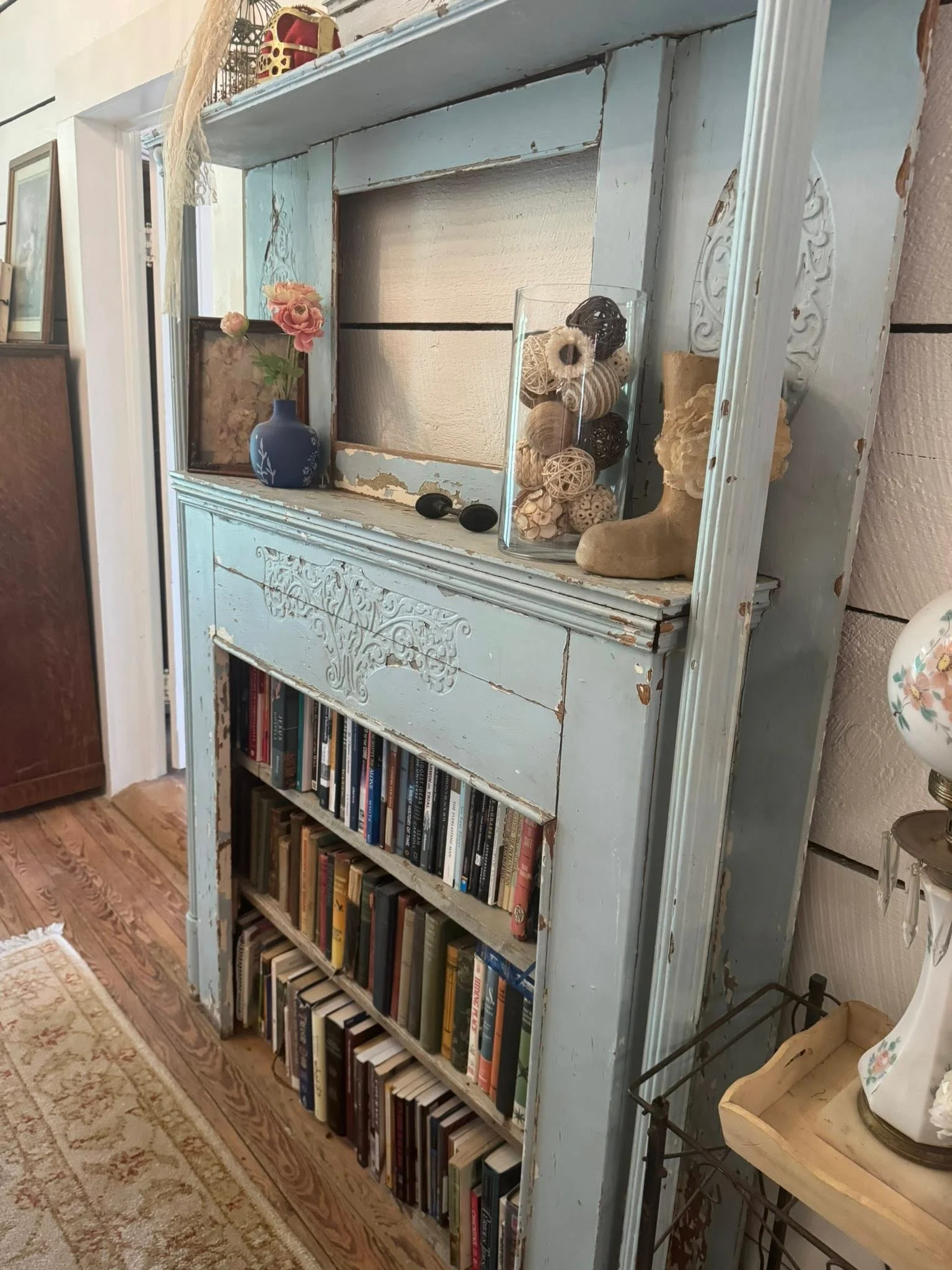
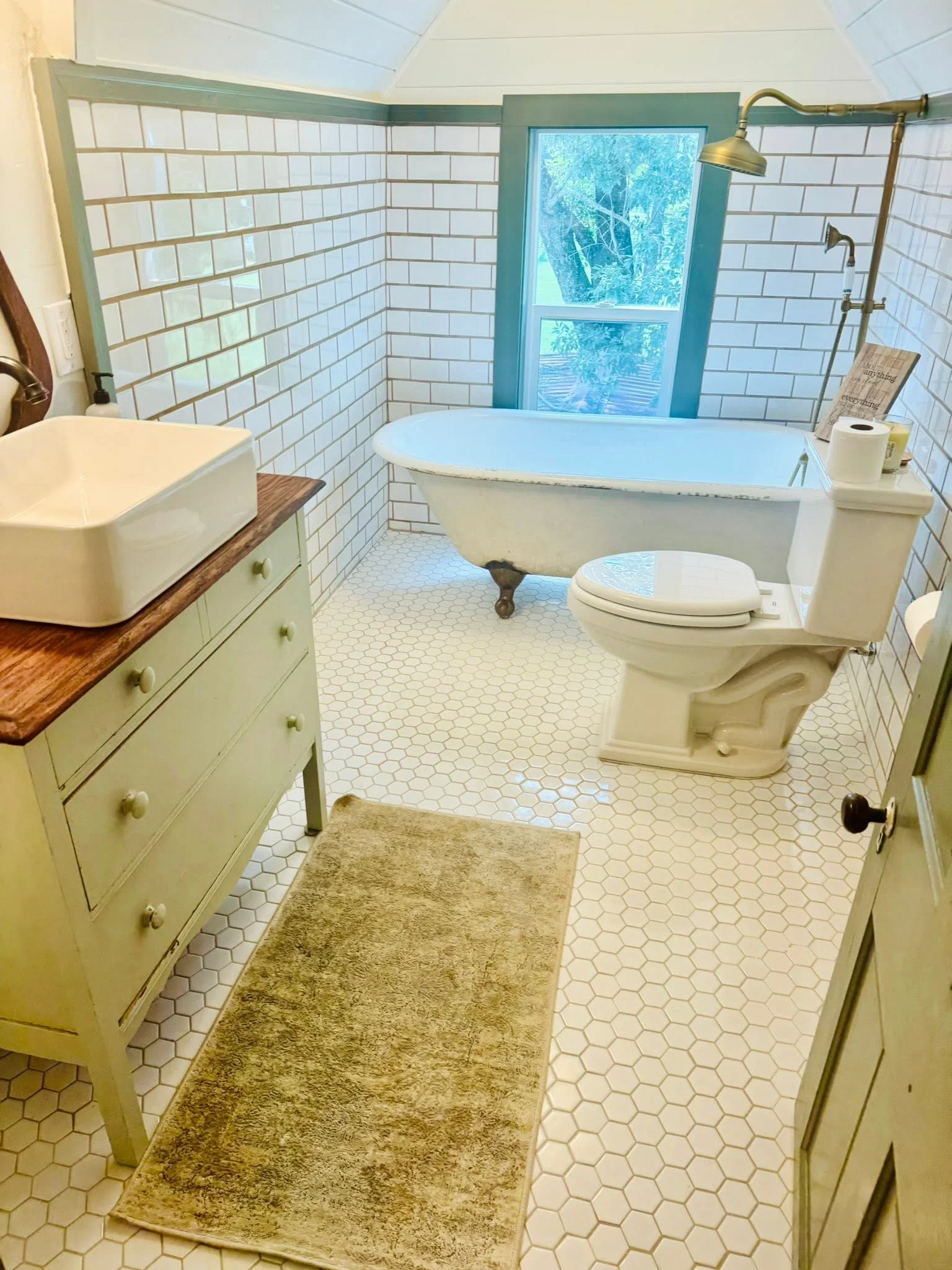
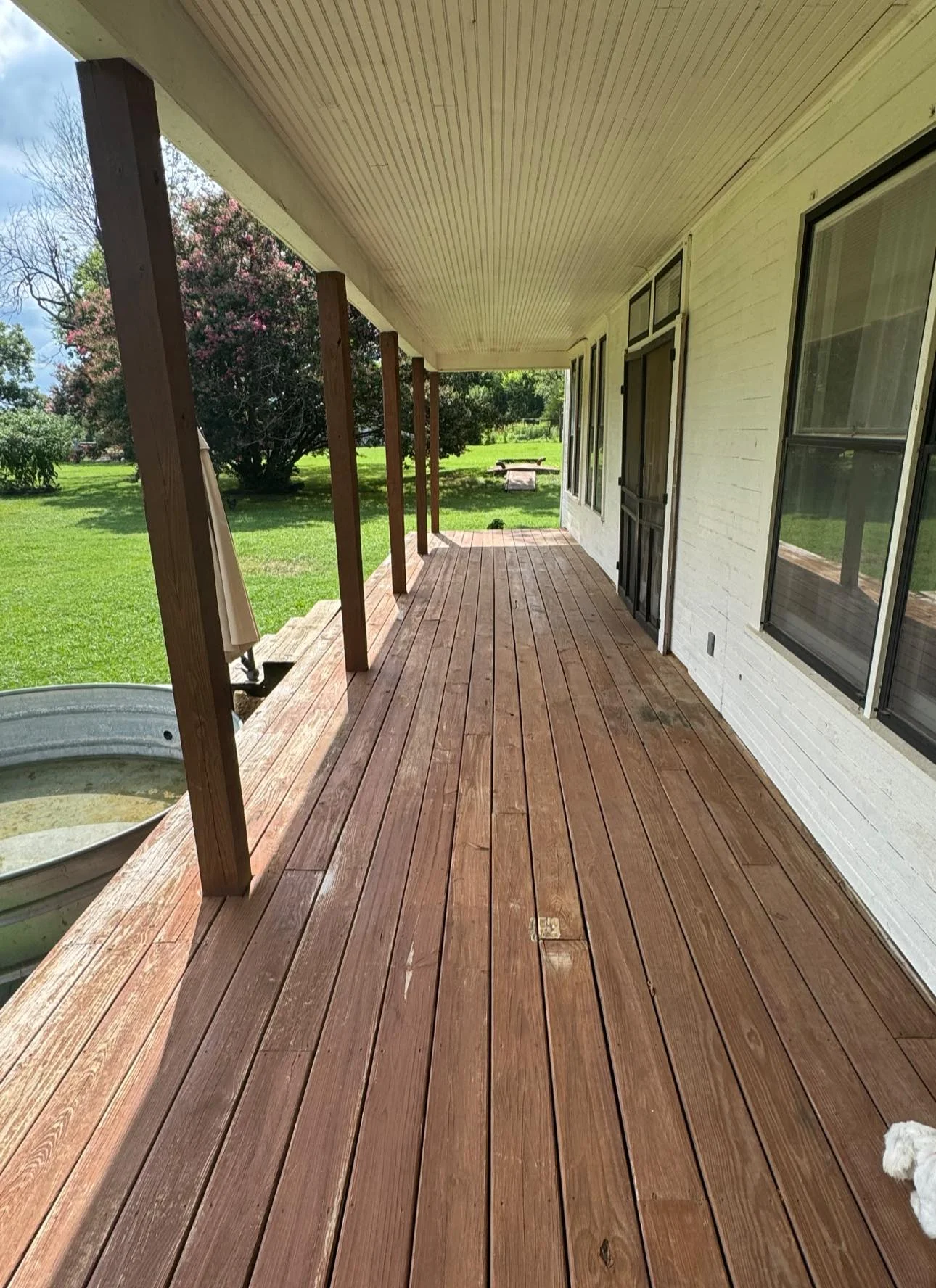
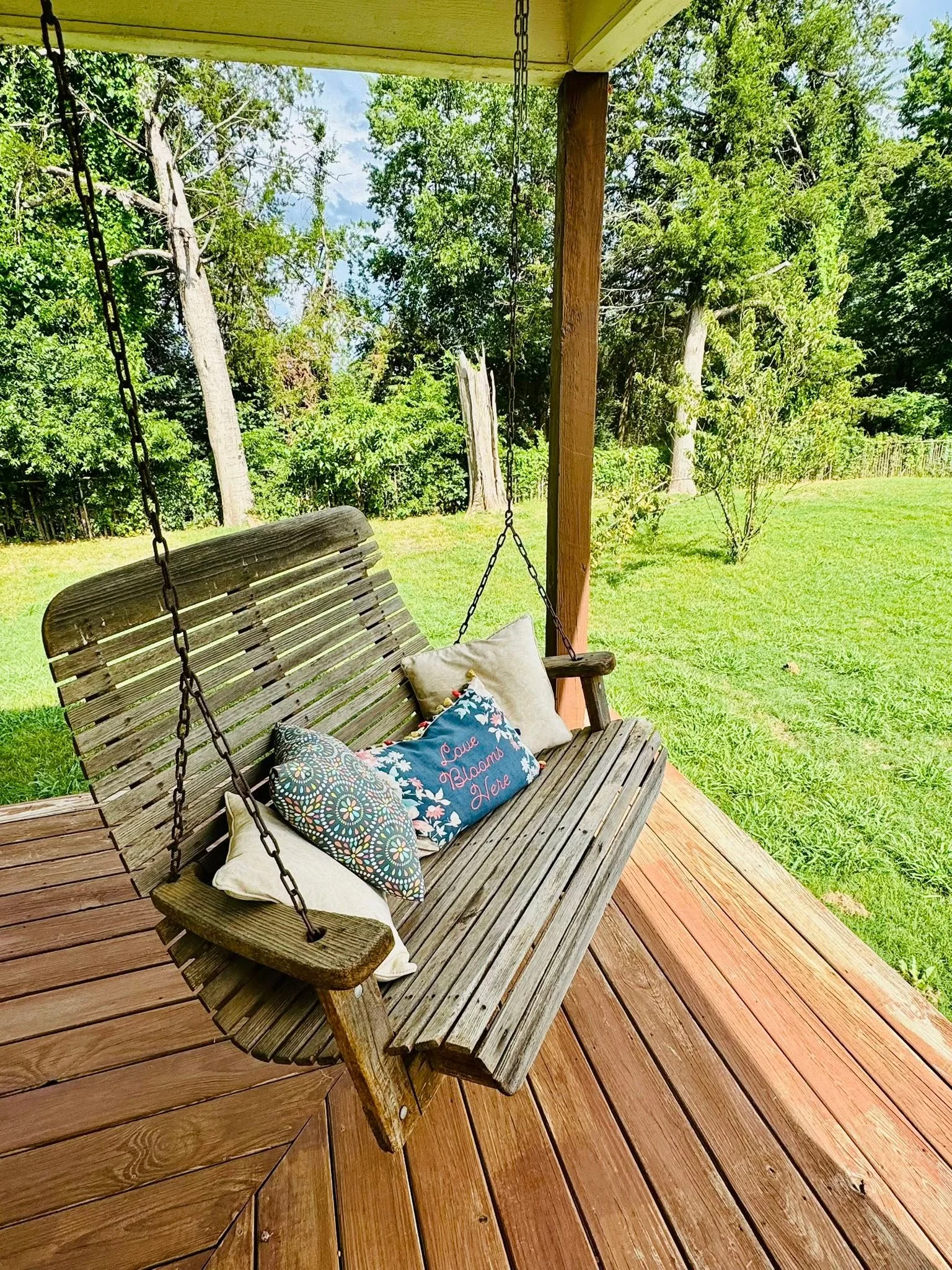
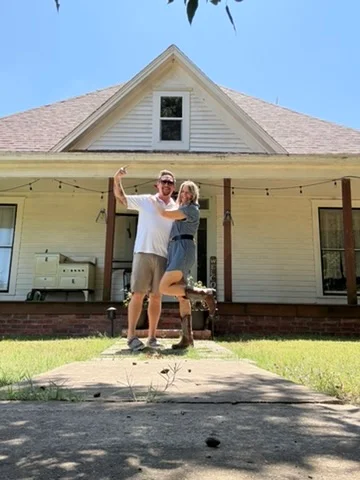

It sold for $645,000 on September 12, 2025, about $6,149 per acre.
Brian Allen and Jonelle Pate of the Love My Texoma Home Team at INC Realty represented the buyer.
In Hugo, Choctaw County, Oklahoma.
The 1915 farmhouse rests on large horizontal bois d'arc (Osage orange) logs, a dense, rot-resistant wood early Red River settlers used for foundations and fence posts.
It is the original land grant issued when Choctaw Nation land in Indian Territory was divided among enrolled tribal citizens before Oklahoma statehood. It was signed by the Choctaw Principal Chief and the Chickasaw Governor and approved by the U.S. Department of the Interior, and it is often the first document in a southeastern Oklahoma land title.
Acreage is priced on land, water, improvements and real comparable sales. Get a free, no-strings-attached look at what your property could sell for.
What's My Home Worth?Call (580) 217-7435
See more homes we've closed on our Sold Homes page.
Listing data from MLS Technology, Inc. #2514609. Love My Texoma Home Team | INC Realty.


Guides & Resources
For Buyers
Buying a Home in TexomaFirst-Time Home Buyer ProgramsNative American Homebuyer ProgramsThe Closing ProcessNew Construction GuideBuying Land & AcreageLenders & Local Pros